Shadows of Silver
A black and white photography project by Filipe Teixeira-Dias, 2025 —
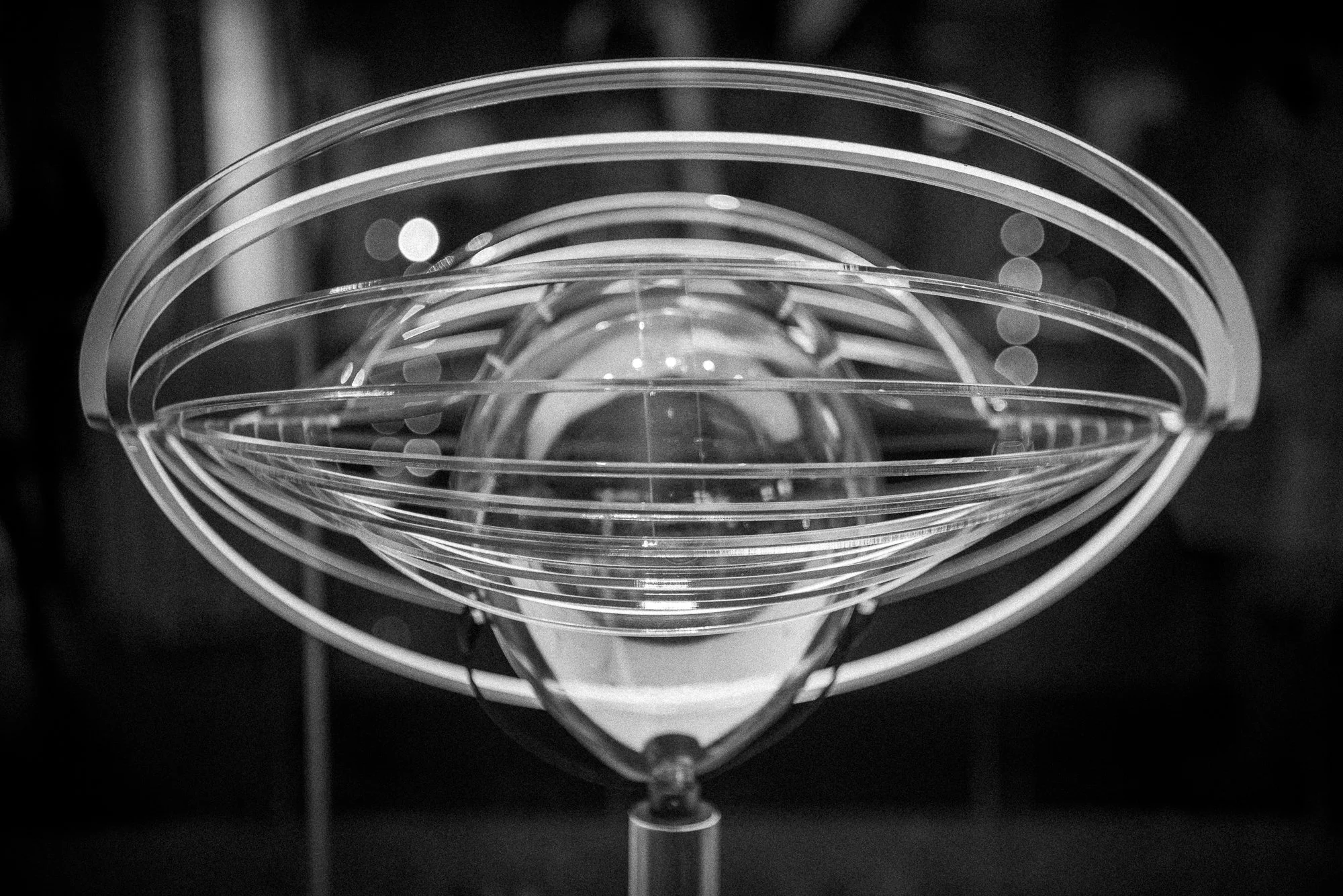
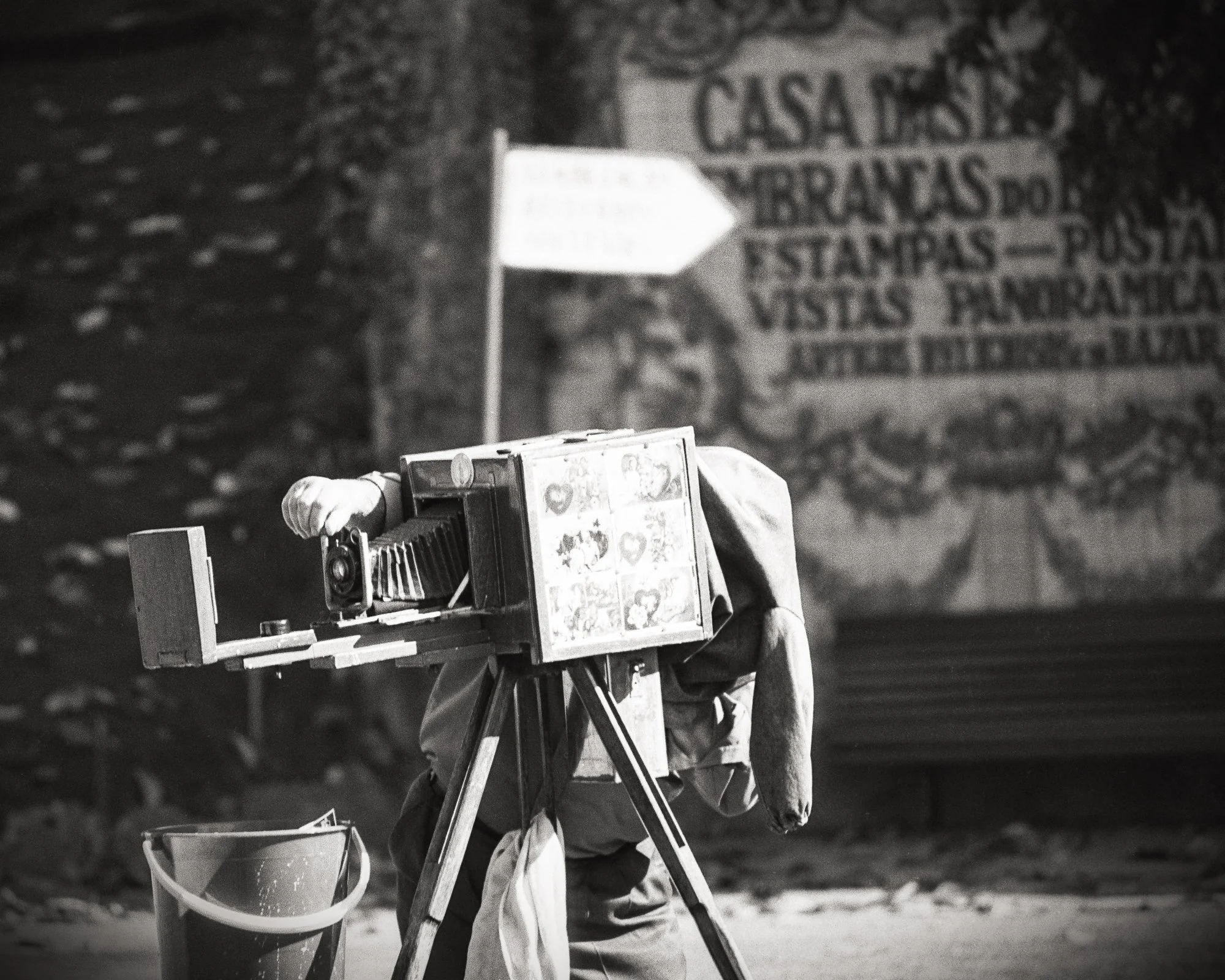
Shadows of Silver (working title) is an ongoing study of Scotland’s photographic history and pioneering relationship with early photography. The project focusses on process and material, and combines film and digital image-making to explore how silver, chemistry and craft continue to shape the way images are not only made but also understood. Shadows of Silver draws on Scotland’s early role in photography (i.e. from the calotypes of Hill & Adamson to later darkroom practice), extending to present day role of Scotland in the art of photography. The aim is to focus on the physical act of making images, with an eye on texture and tone: negatives, prints, architectural remains and the people and spaces where photography is practised.
The work is reflective rather than archival. Each frame is built around observation, (mostly) using monochrome to study how light and memory can be recorded. This page will gather early studies, working notes and new work as the project grows.
“The rough surface, and unequal texture throughout of the paper is the main cause of the Calotype failing in details, before the process of Daguerreotype – and this is the very life of it. They look like the imperfect work of a man, and not the much diminished perfect work of God.”
— David Octavius Hill, 1848 [in The History of Photography by Beaumont Newhall, The Museum of Modern Art, New York 1964, p.37]
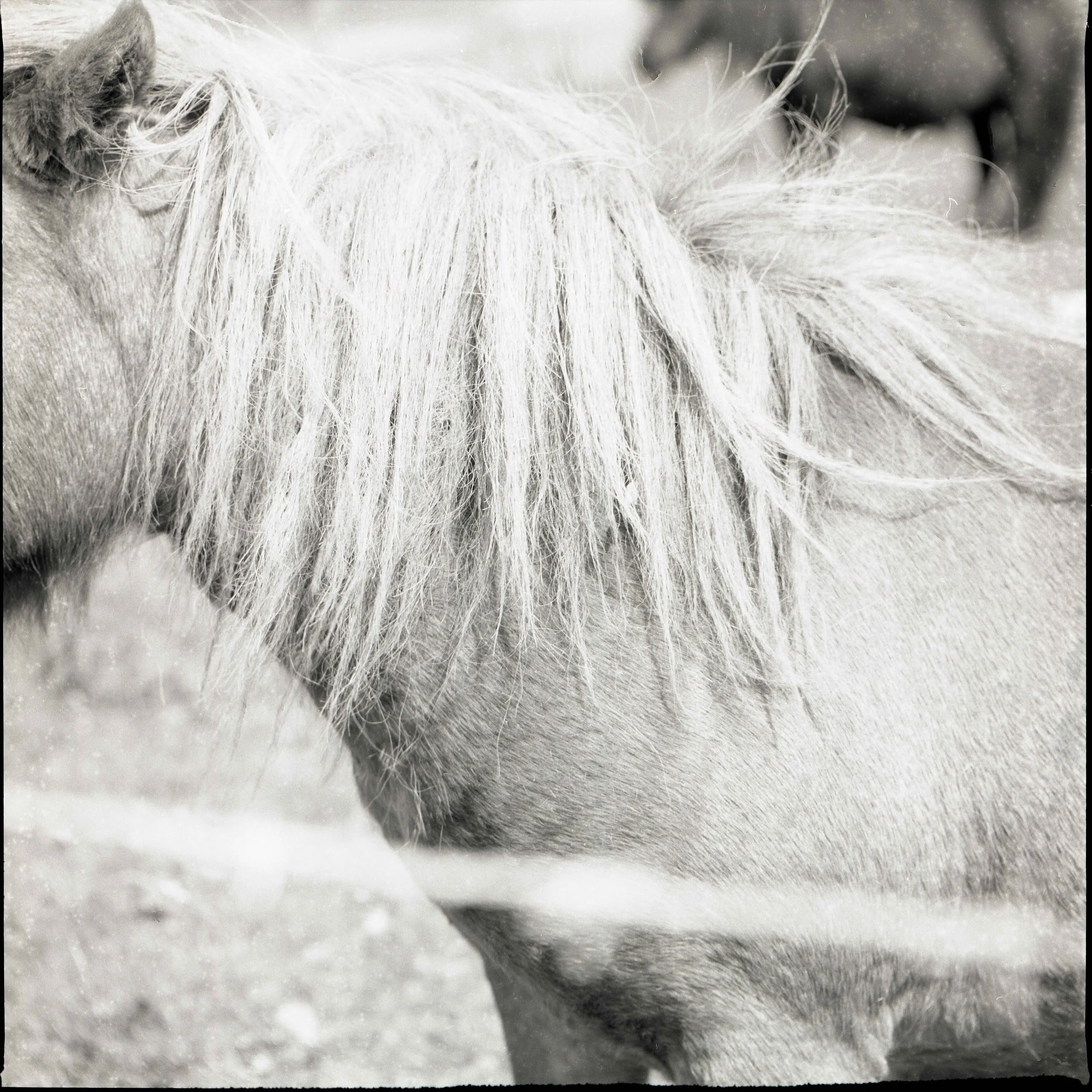
Some title goes here
Random text here, and then more text. Random text here, and then more text. Random text here, and then more text. Random text here, and then more text. Random text here, and then more text. Random text here, and then more text. Random text here, and then more text. Random text here, and then more text. Random text here, and then more text. Random text here, and then more text. Random text here, and then more text. Random text here, and then more text. Random text here, and then more text. Random text here, and then more text.
Random text here, and then more text. Random text here, and then more text. Random text here, and then more text. Random text here, and then more text. Random text here, and then more text. Random text here, and then more text. Random text here, and then more text. Random text here, and then more text. Random text here, and then more text. Random text here, and then more text.
Random text here, and then more text. Random text here, and then more text. Random text here, and then more text. Random text here, and then more text. Random text here, and then more text. Random text here, and then more text. Random text here, and then more text. Random text here, and then more text. Random text here, and then more text. Random text here, and then more text. Random text here, and then more text. Random text here, and then more text. Random text here, and then more text. Random text here, and then more text. Random text here, and then more text. Random text here, and then more text.
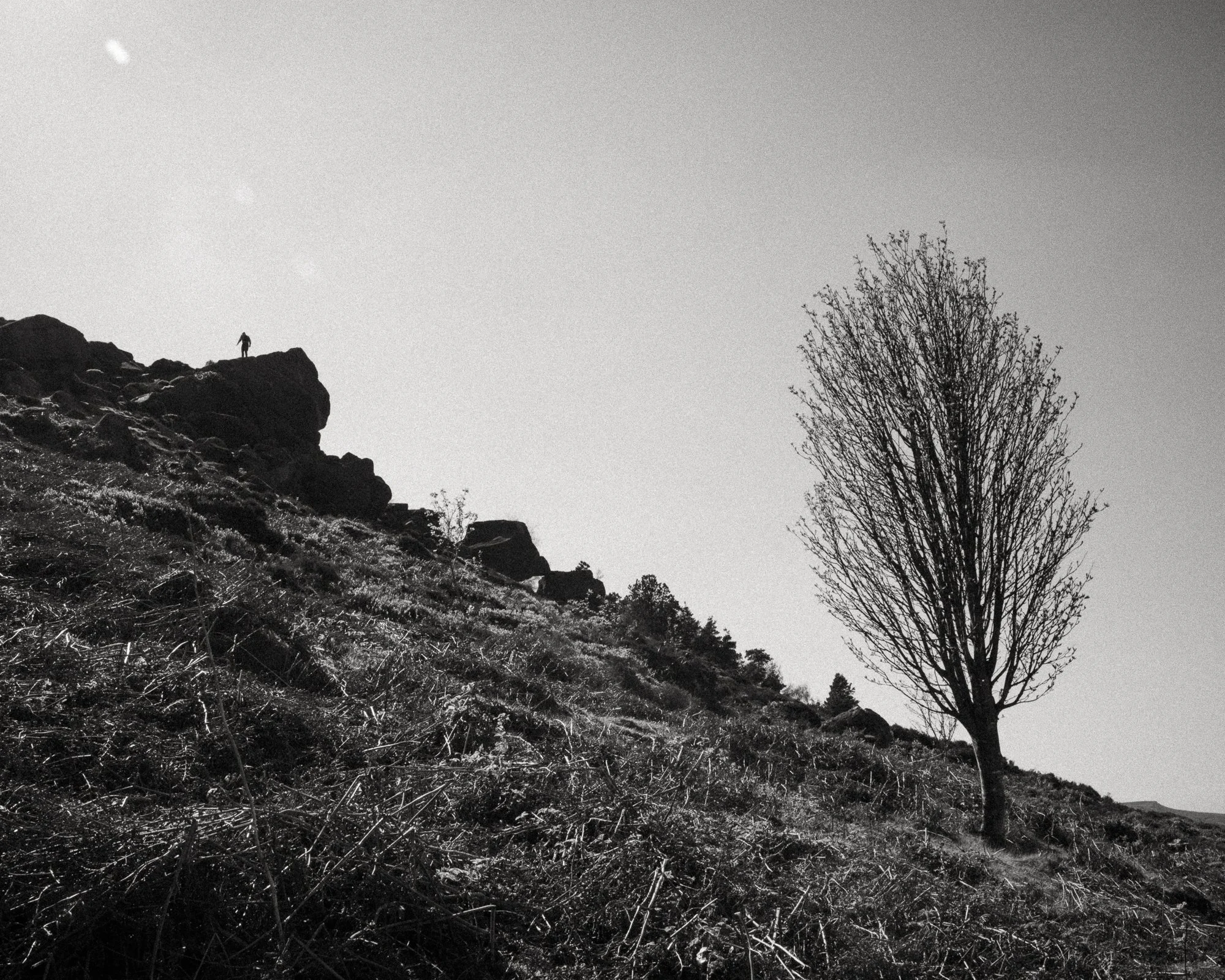
We are the children of nature and a product of evolution — we belong in nature and desperately need to reconnect. In the course of developing our own intelligence and abilities from the models offered by the world we inhabit, we have come to believe that we have no need for the reality. This is suicidal. We need to look, to listen, to stand quietly, to run for the joy of it, to garden and to think openly.
— Sara Stevenson [in The Leaf Standard, Leaves 1 (Editorial), Studies in Photography, Summer 2020]